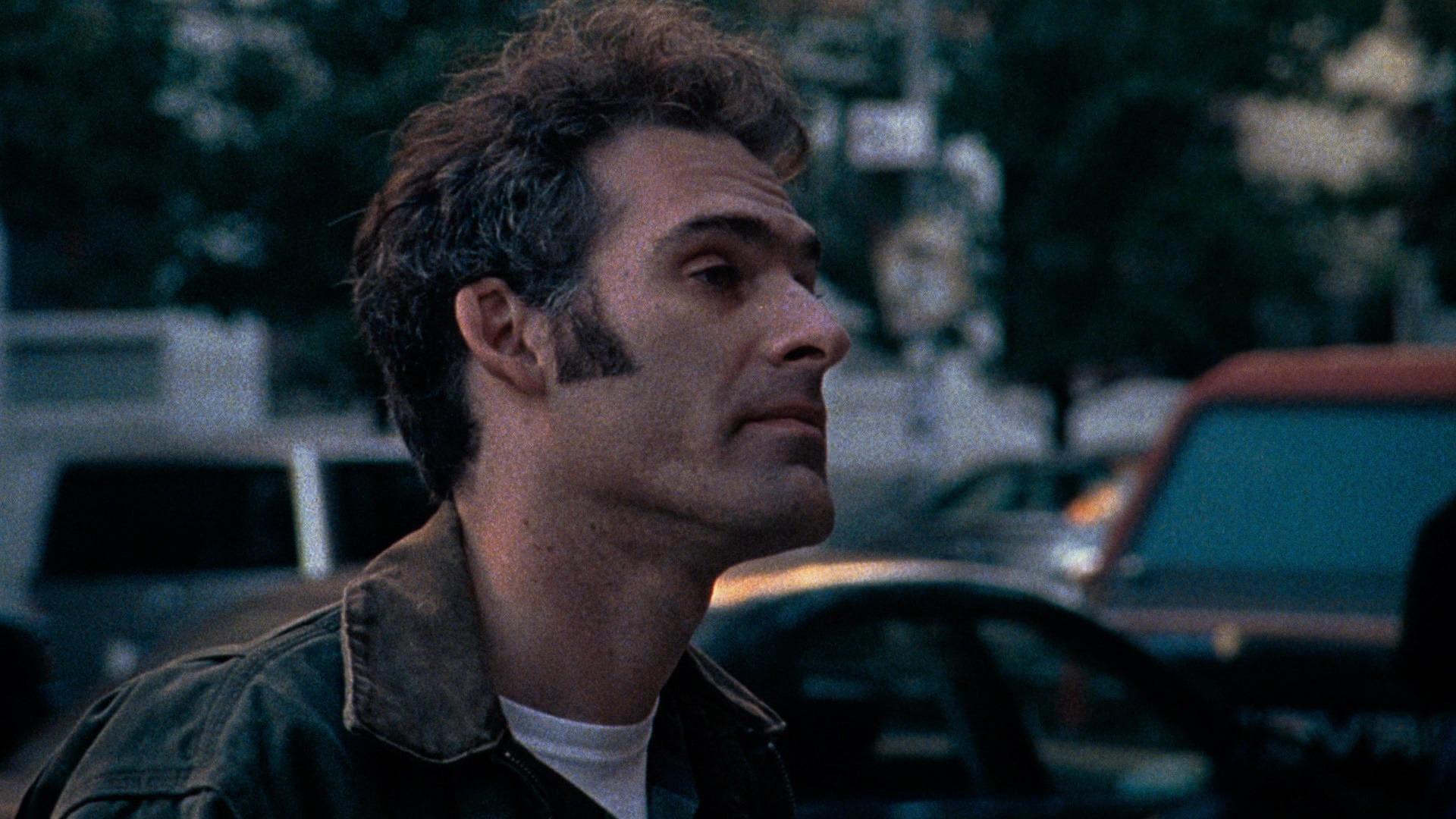
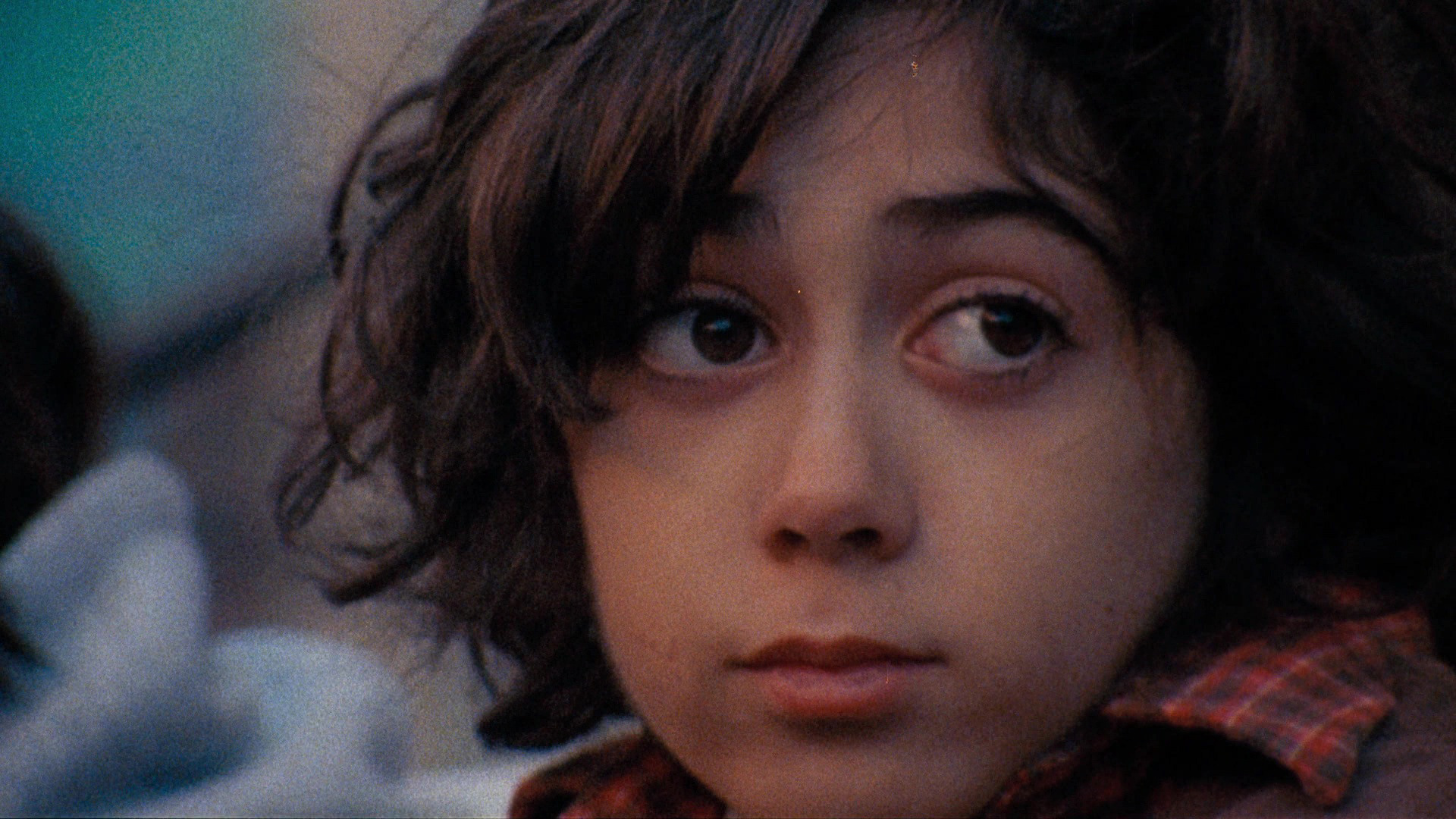
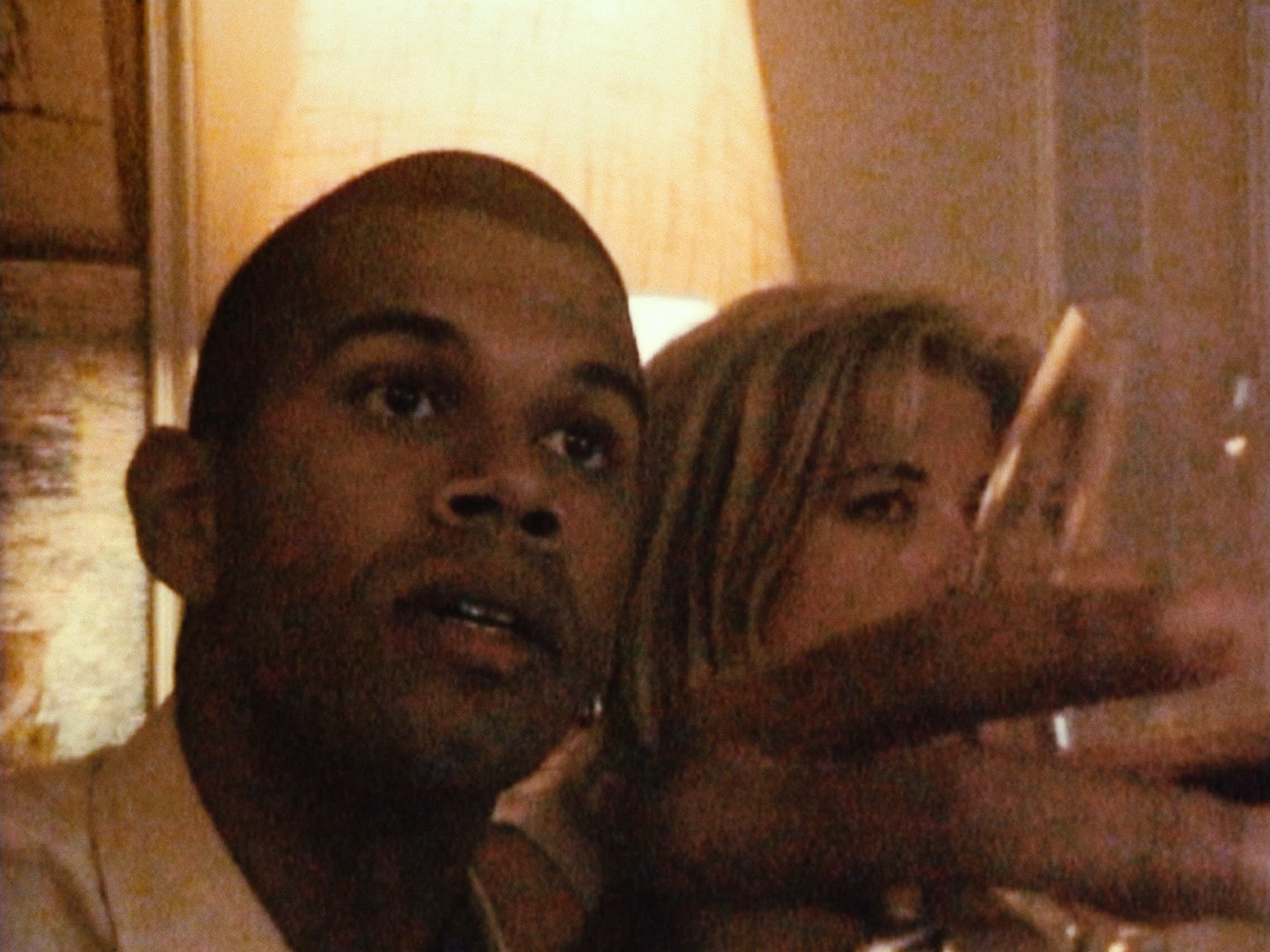
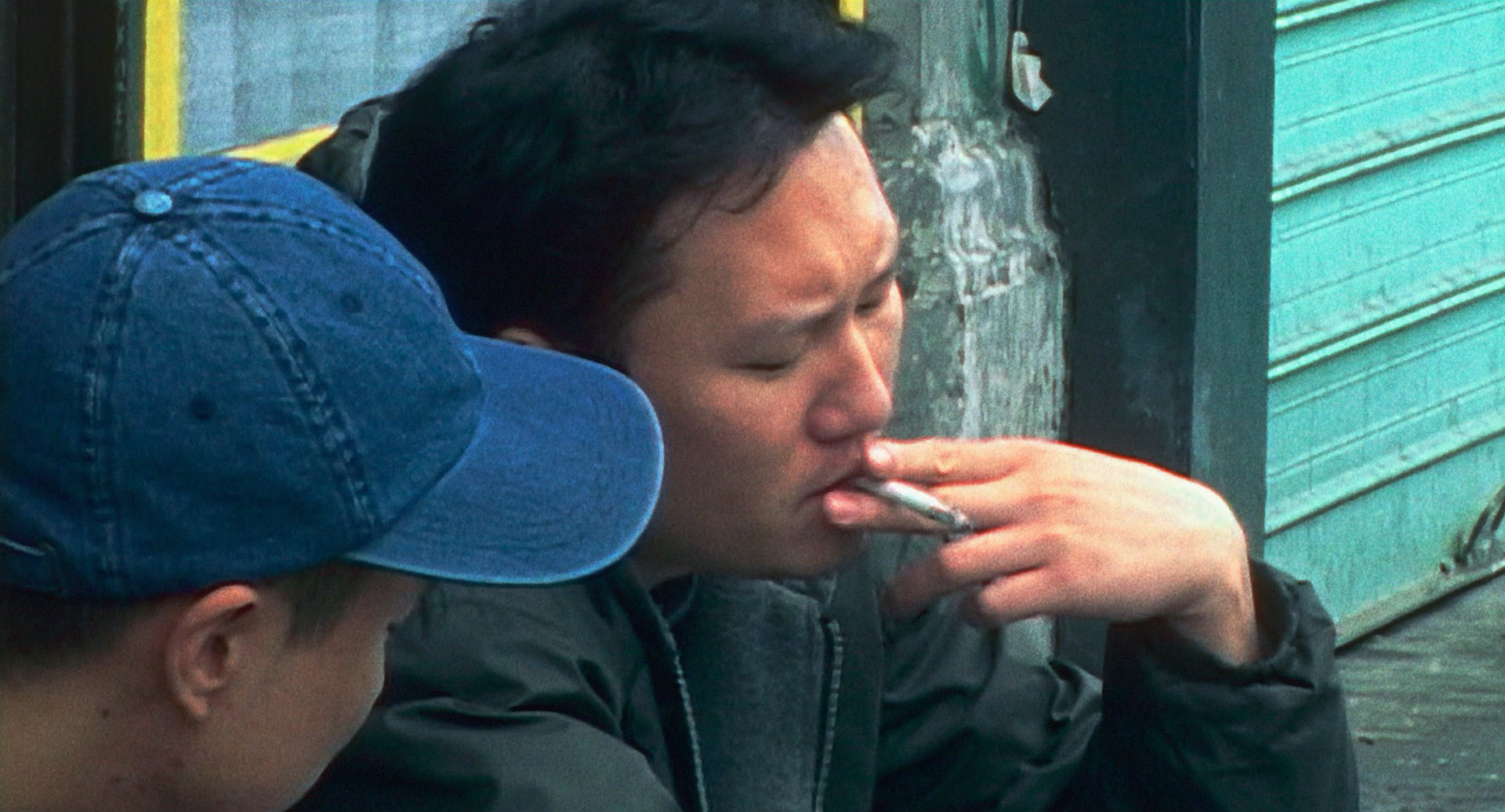
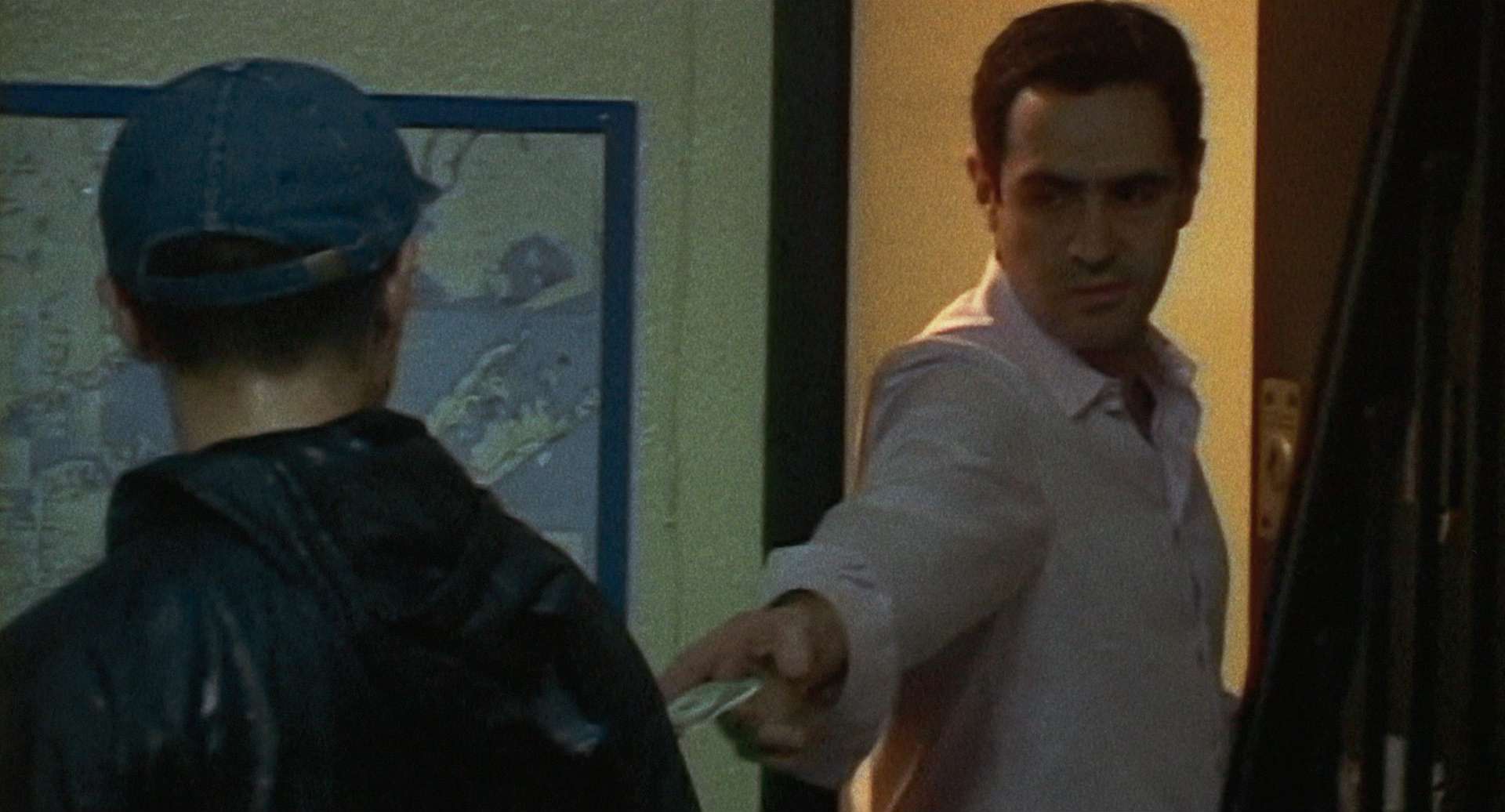
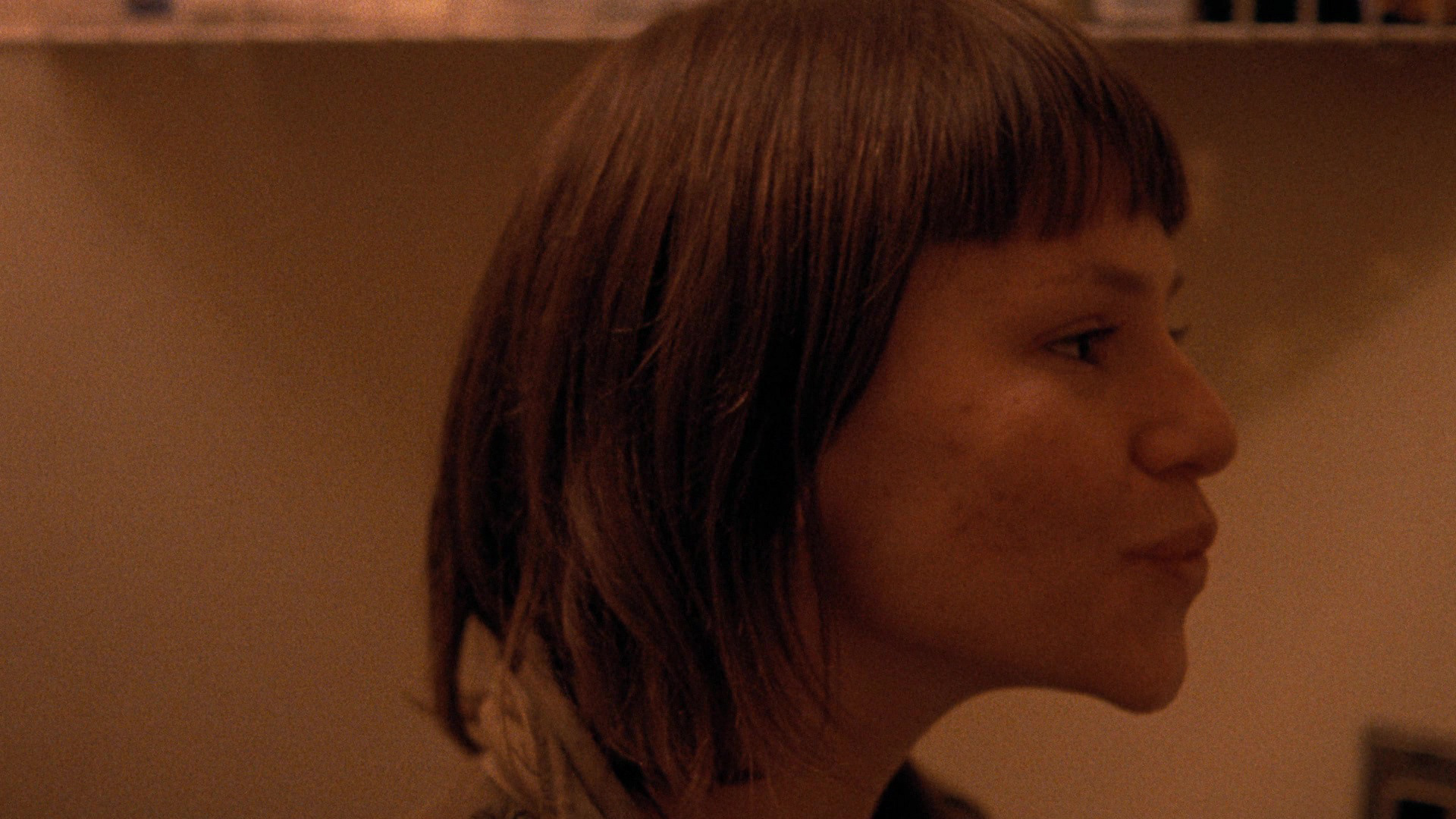
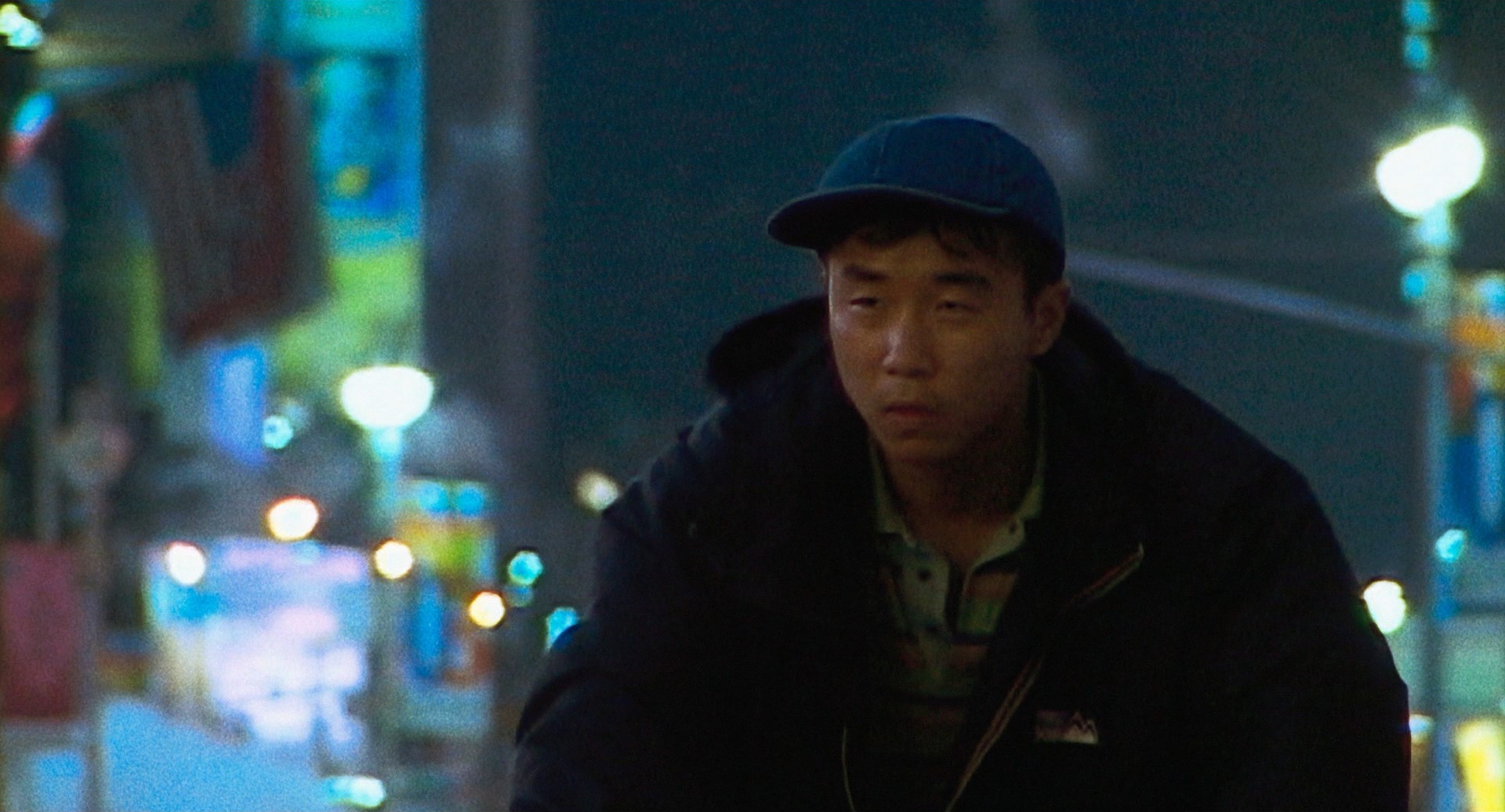
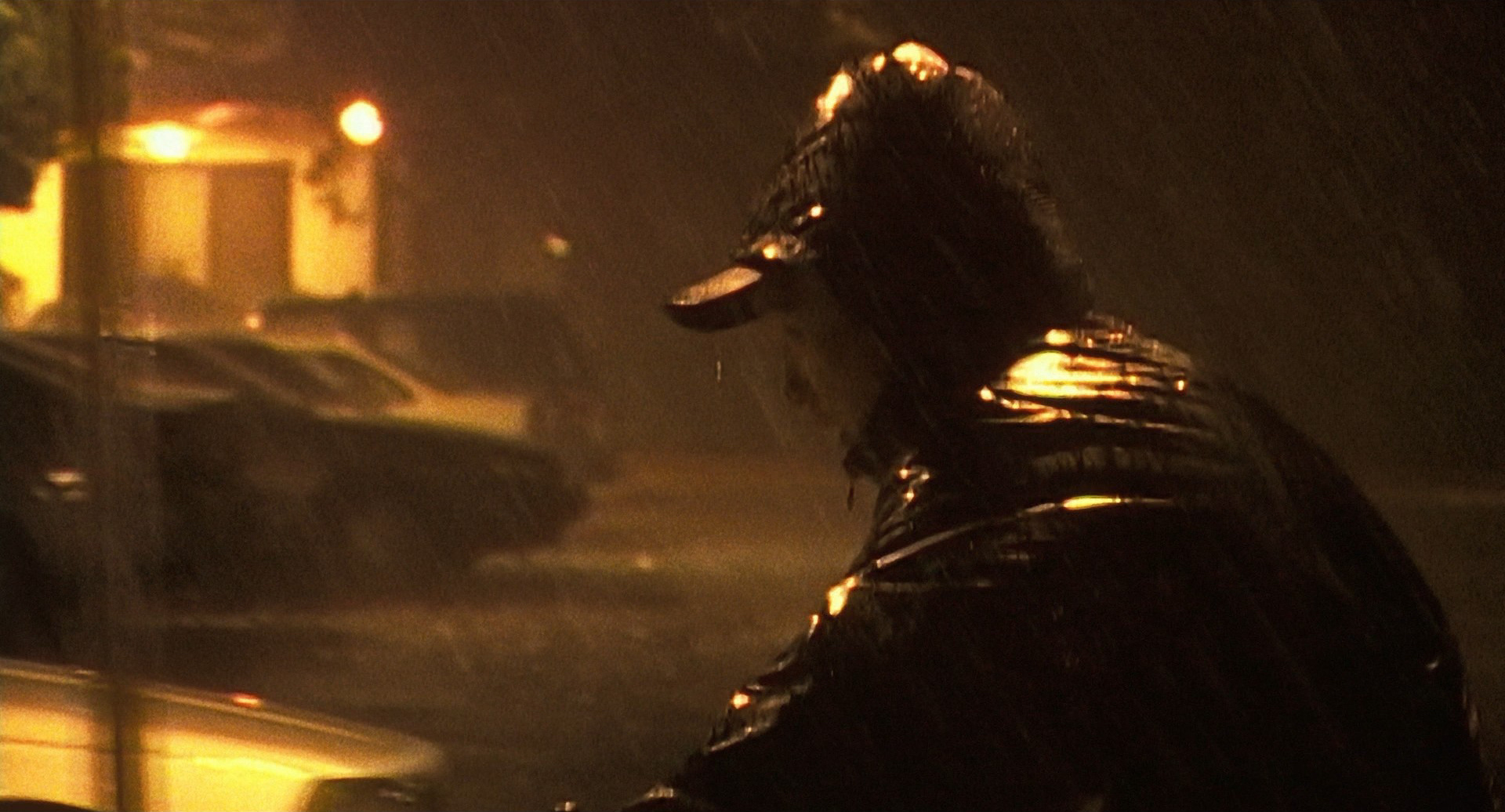
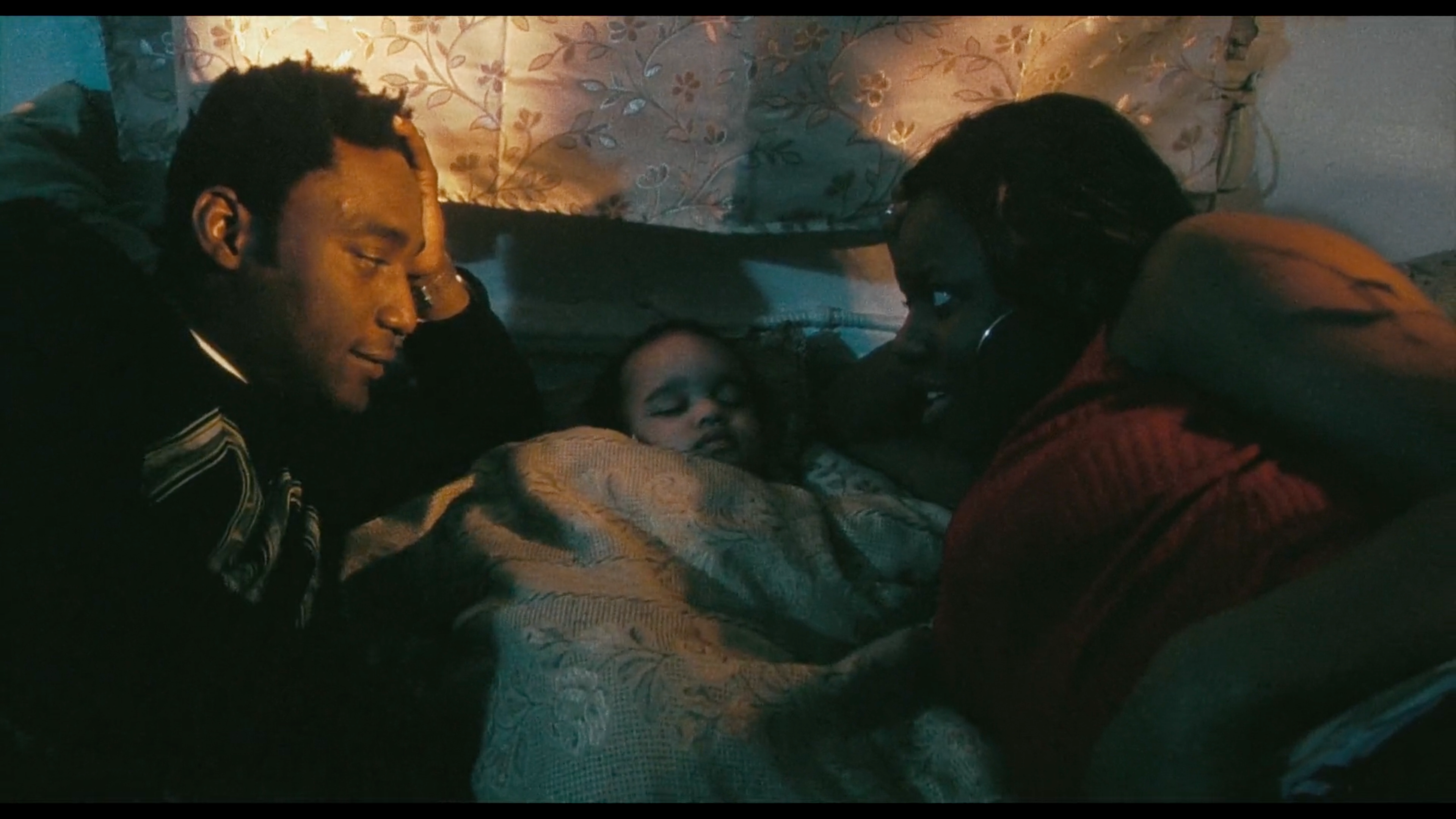
Our filmmaking approach is very much influenced by Dogme 95. It's not simply a set of rules, but as a way of thinking about cinema that is both meaningful and ideally economical.
Dogma emerged as a response to increasingly capitalist, controlled and inaccessible film structures, but at its core it was a rediscovery of raw self-expression that mainstream cinema had long suppressed. The manifesto famously lists its “vows of chastity,” yet its spirit is much simpler: make the damn film, no matter what, no matter how. Use practical light. Shoot with the most accessible camera available. Work in real locations. Strip away vanity and excess until only what is essential remains.
Simples demands this approach. The story we are telling cannot be told any other way even if we had the option. It demands this treatment. It demands proximity, unpredictability and most of all risk. This method allows the film to remain porous to the world around it, to the small human details that cannot be manufactured. The spirit of Dogma is not a limitation for us; it is the natural form for this film.
Think of what films like The Celebration (1998), Take Out (2004) or Daddy Longlegs (2009) would feel like without that immediacy , without that nervous, lived-in texture.
For us, this is also a political position; the act of filmmaking itself. By working our way with no budget, no permits, no institutional approval-seeking, we resist polish as performance. For us, that is the politics of everyday life, the hustle the grind that comes with not having connections to give us $$$ or permission.
This is not an aesthetic gimmick. It is a position comes with the constant negotiation with circumstance.